How we started

Our History
In 1991, while serving on a church mission building homes in Mexico, Mike Schissler was inspired to bring the same opportunity back to his community in Sandpoint. Upon returning home, he founded Idaho Panhandle Habitat for Humanity with the vision of building affordable homes for low-income families.
Just two years later, the first Habitat home was completed.
Though Mike later passed away after a long battle with cancer, his legacy lives on. Homes continue to be built in Schissler Meadows and throughout our community in dedication to our founder’s vision and commitment.

How Habitat for Humanity Works
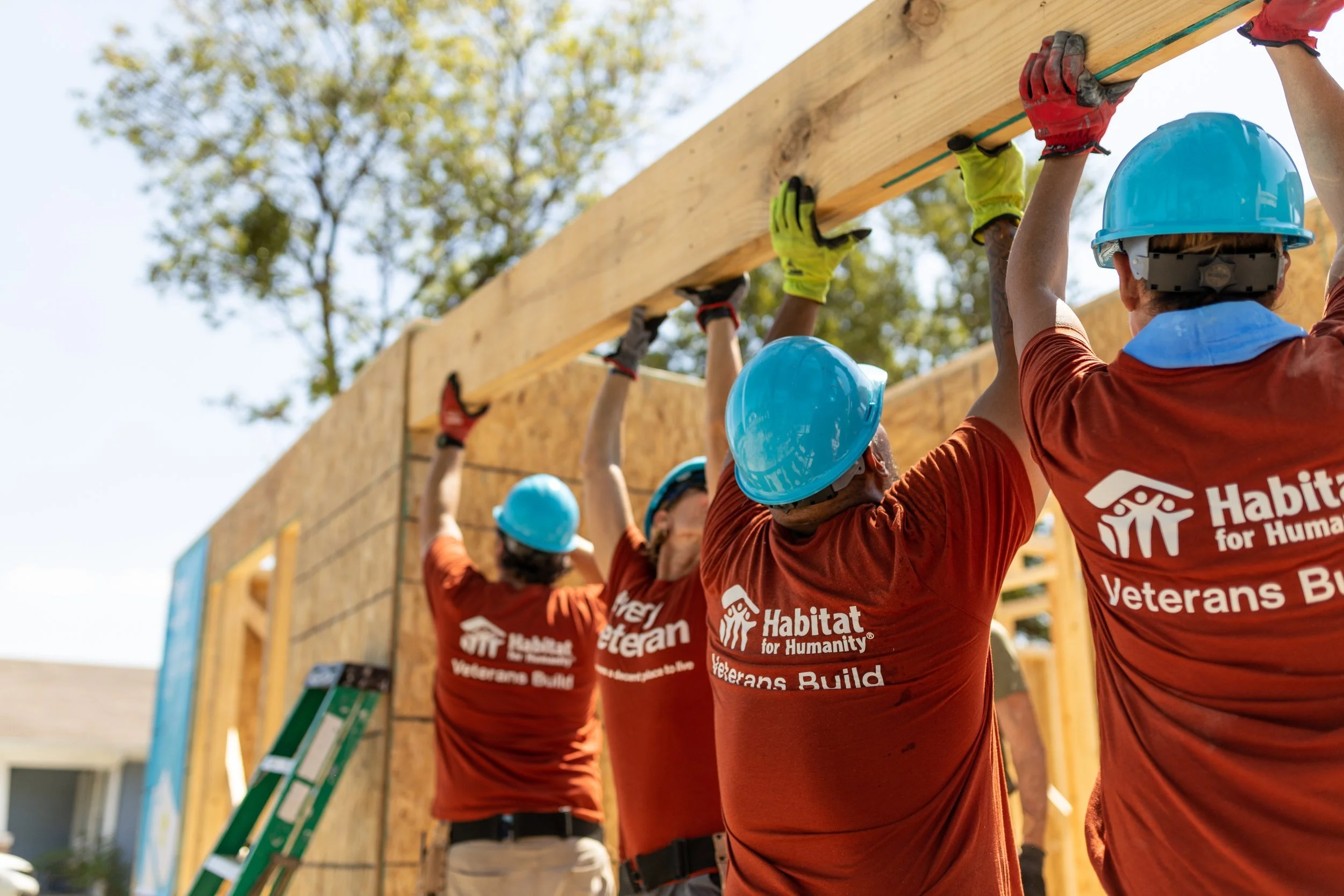
Habitat for Humanity builds homes for families who don’t qualify for conventional bank loans. Most of the work is done by volunteers—alongside the families who will live in the homes. Individuals, faith groups, and businesses also contribute by donating their time, skills, and materials.
When a home is complete, the family makes a small down payment and receives a mortgage. Unlike traditional mortgages, Habitat mortgages are interest-free and designed to be affordable. Monthly payments go into the “Fund for Humanity”, a revolving fund that helps build homes for more families.
Like any homeowner, each family is responsible for insurance, taxes, utilities, maintenance, and other ongoing household expenses.

All Are Welcome
At Idaho Panhandle Habitat for Humanity, we believe everyone deserves a safe, affordable place to live—and everyone is welcome to join us in that mission. We have an open-door policy: volunteers and supporters of all races, religions, ages, genders, political views, and backgrounds are invited to be part of our work. Likewise, we serve families in need of housing without regard to race or religion.
As a matter of policy, Habitat for Humanity International and all its affiliates do not proselytize. We will not work with individuals or organizations that require proselytizing as part of their involvement. This means Habitat will never offer assistance on the condition—expressed or implied—that a person must convert to or follow a particular faith, or listen to religious messaging.
Family Qualifications

Family Qualifications
To be eligible for a Habitat for Humanity home, each family must:
Demonstrate a housing need
Have steady employment
Be willing to accept publicity associated with owning a Habitat home
Earn enough income to afford a small mortgage, but not qualify for a conventional loan
Commit to at least 300 hours of “sweat equity”, working on their own home and on other Habitat projects

How Habitat for Humanity Helps Bonner County
Families gain the opportunity to purchase an affordable home
Families are able to live and work locally
Building materials are purchased from local suppliers
Minimal professional services required are sourced locally

About Habitat for Humanity International
Founded in Americus, Georgia, in 1976, Habitat for Humanity now works around the world. To date, Habitat has built, renovated, and repaired more than 600,000 affordable homes, providing shelter for over 3 million people worldwide.
Habitat for Humanity International is a nonprofit, ecumenical Christian housing organization seeking to eliminate poverty housing and homelessness from the world and to make decent shelter a matter of conscience and action.
Idaho Panhandle Habitat for Humanity (IPHFH) is an independently funded affiliate of Habitat for Humanity International